Types of Anxiety
.png)
General Anxiety Disorder
This can happen when a person feels being excessive and have unrealistic worries with tension for no reason at all.
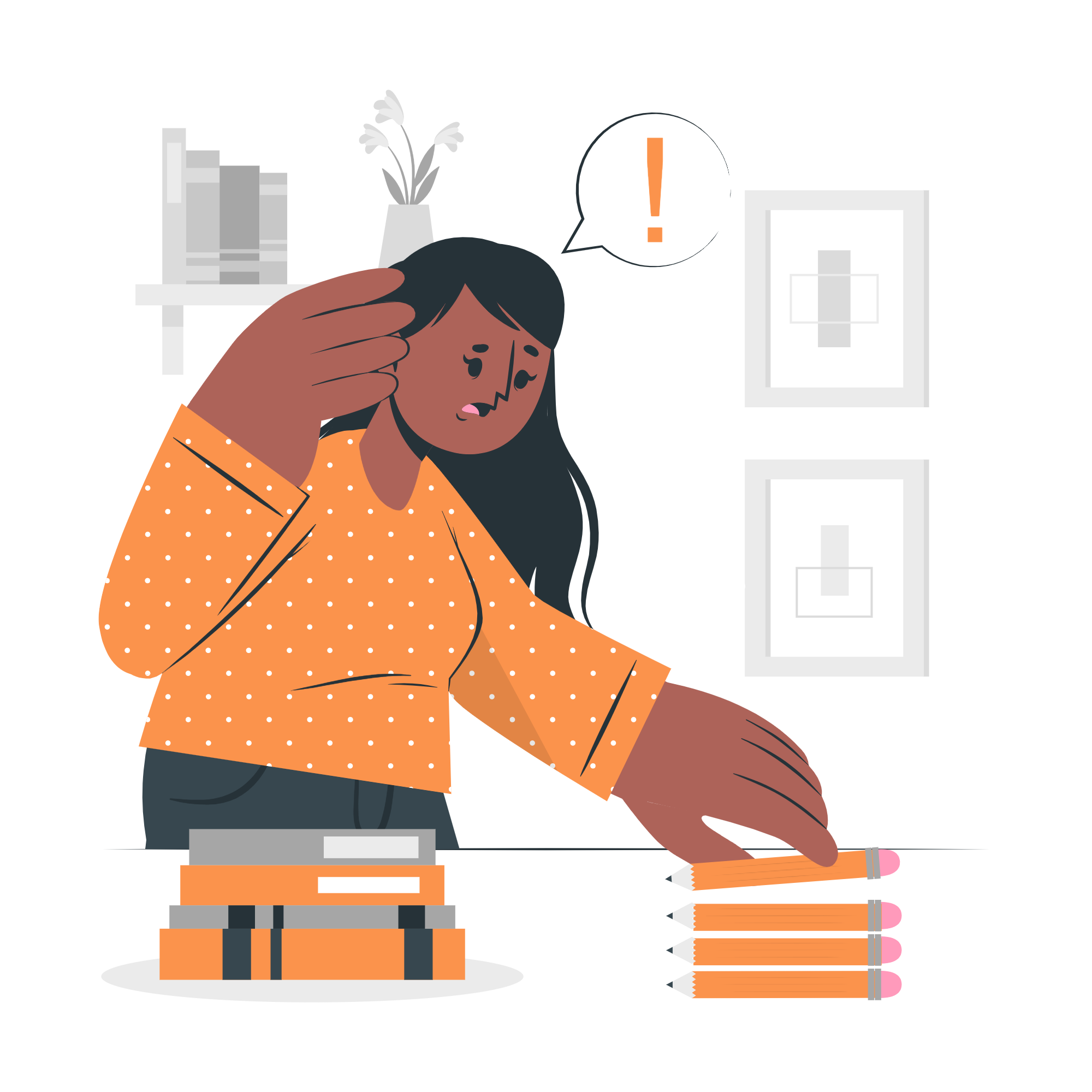
Panic Anxiety Disorder
This can happen when a person feels so sudden and intense fear that can lead to panic attack. Panic attack leads to person sweating, having chest pain together with pounding heartbeat that is also known as palpitations.
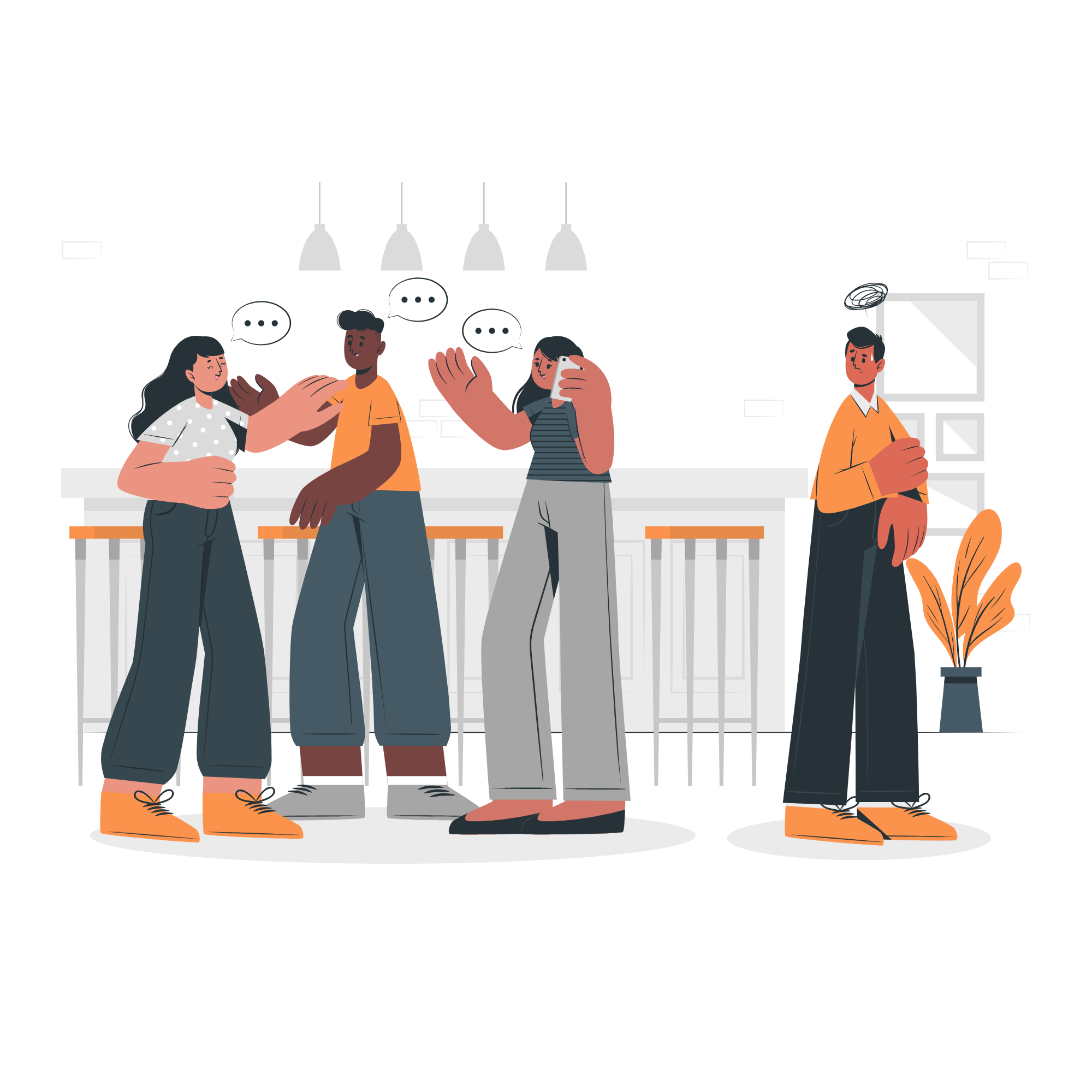
Social Anxiety
Social anxiety disorder is also known as social phobias. This is when a person feels intense worry and self-consciousness about daily social situations. A person who has this social phobia will feel obsessively worry about others judging them or feeling embarrassed.
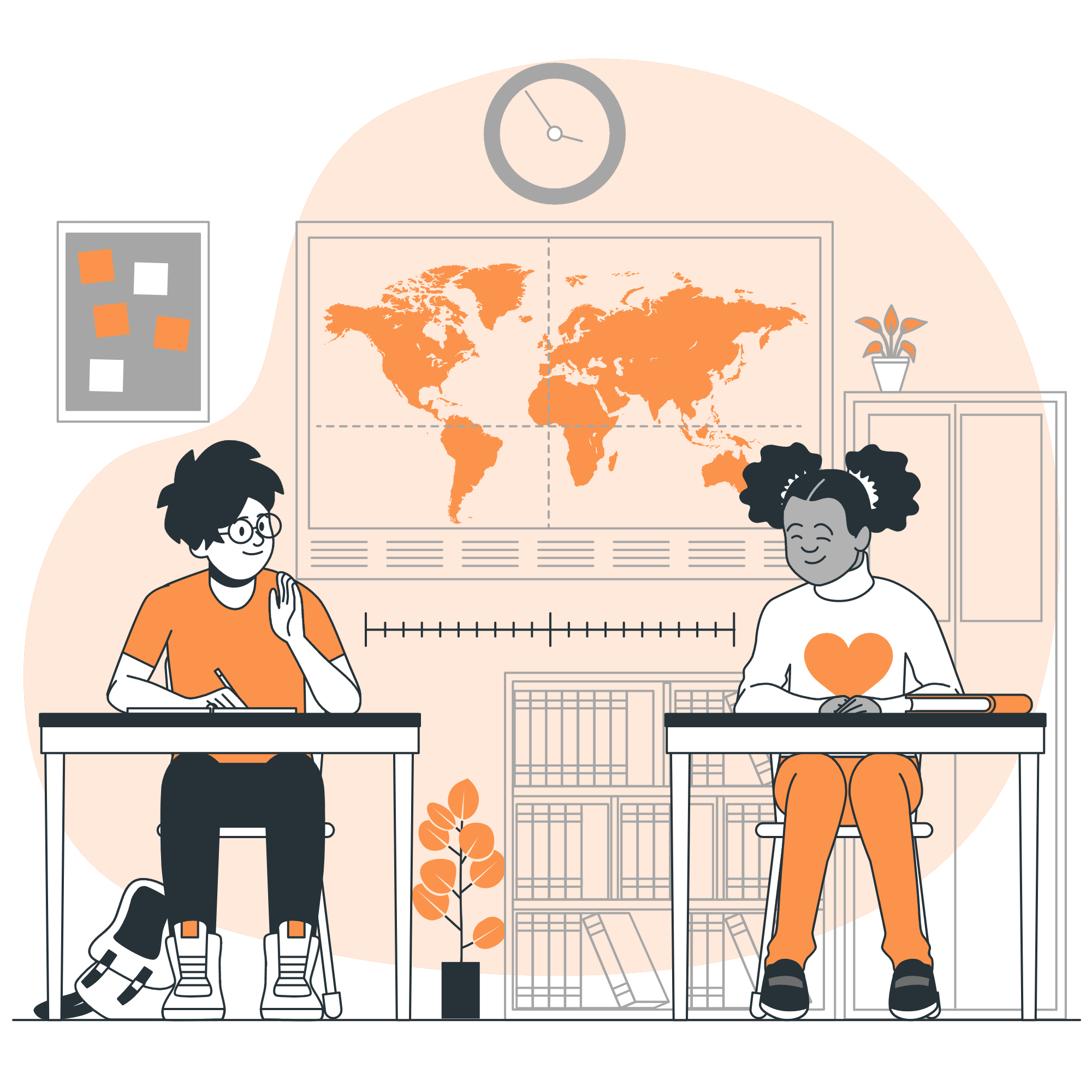
Separation Anxiety
This is when a person feels scared and anxious when their loved ones leave them. It is when a person feel worry that something bad may happen to their loved one.

Medication Induced Anxiety
The uses of certain medication or illegal drugs can usually trigger some symptoms of anxiety.
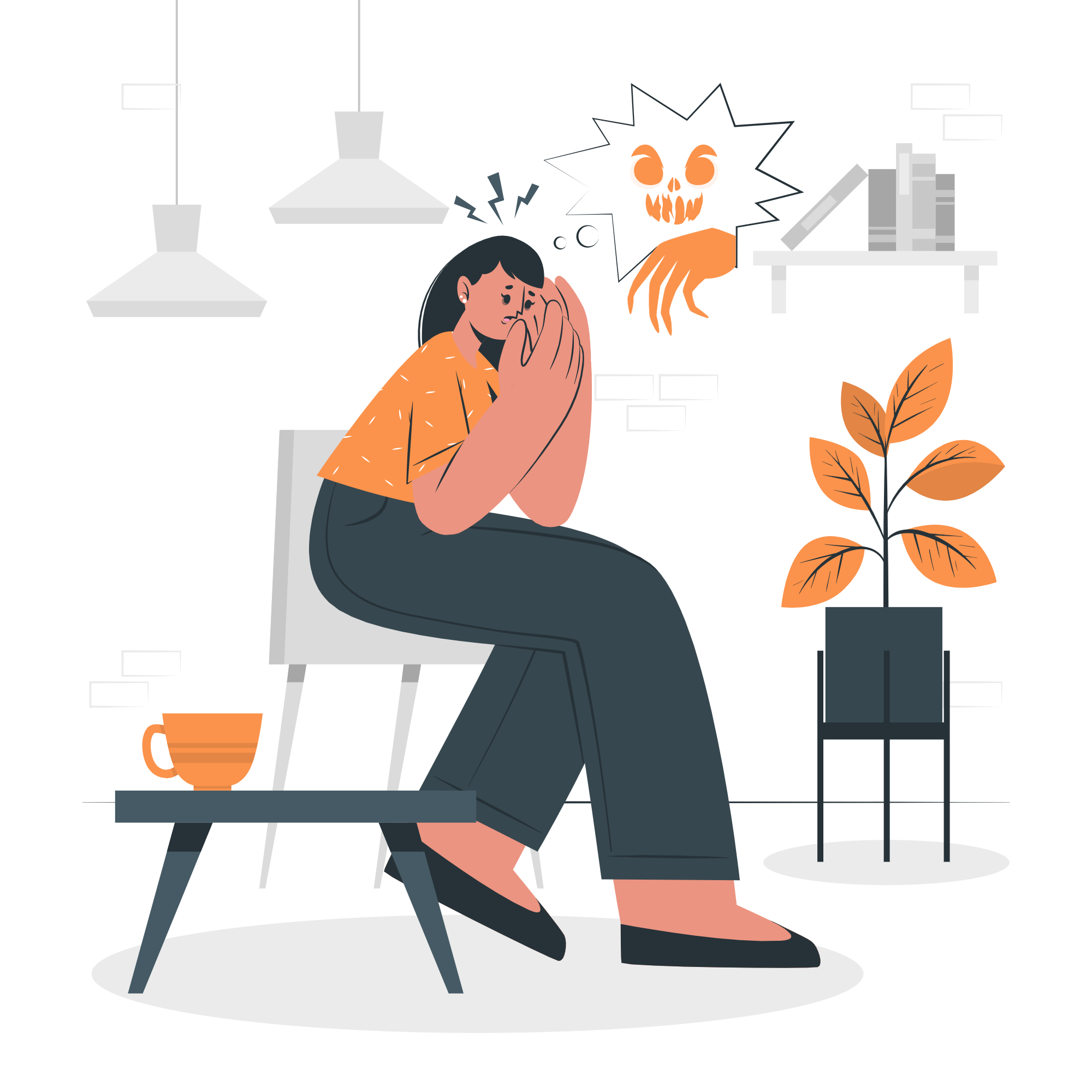
Specific Phobias
A person who feels intense fear of probably some object or situation for examples a person who is afraid of heights or water that the fear can go beyond what is appropriate and can lead to a person avoiding the simple and ordinary situation in their daily life.
Types of Depression
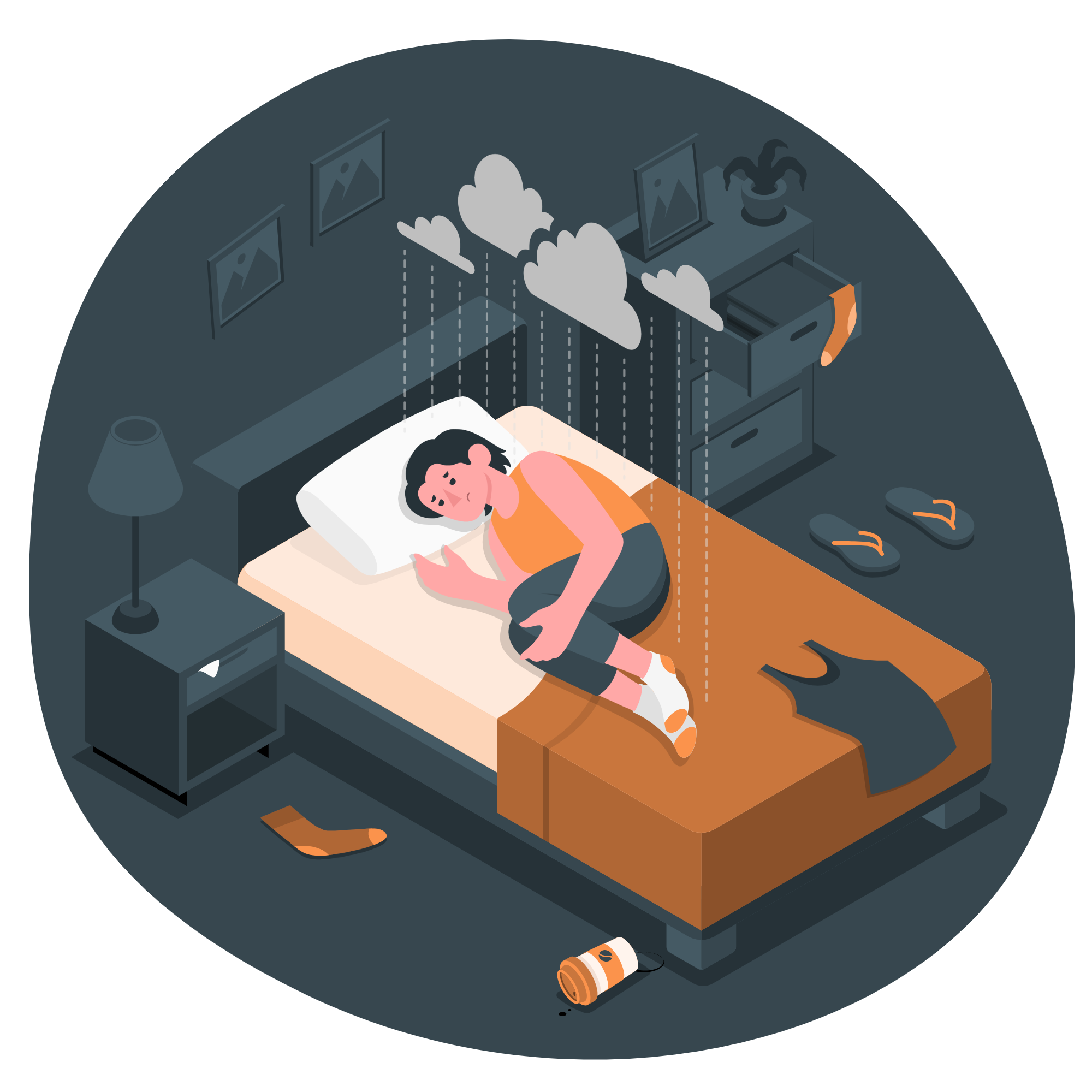
Major Depression
It is also known as major depressive disorder, unipolar depression, or classic depression. A person that has major depression will experience symptom most of the day. Even if a person has loving family, lots of friends and got their best job, the person can still have depression. The symptoms that happen in a person can last weeks or even months or experience them whole life. Major depression can affect individual’s life and daily activities.

Persistent Depression
This depression is also known as dysthymia or chronic depression and can lasts for two or more years. Persistent depressive disorder might not be as intense as major depression stated above but it can also make daily life work difficult.
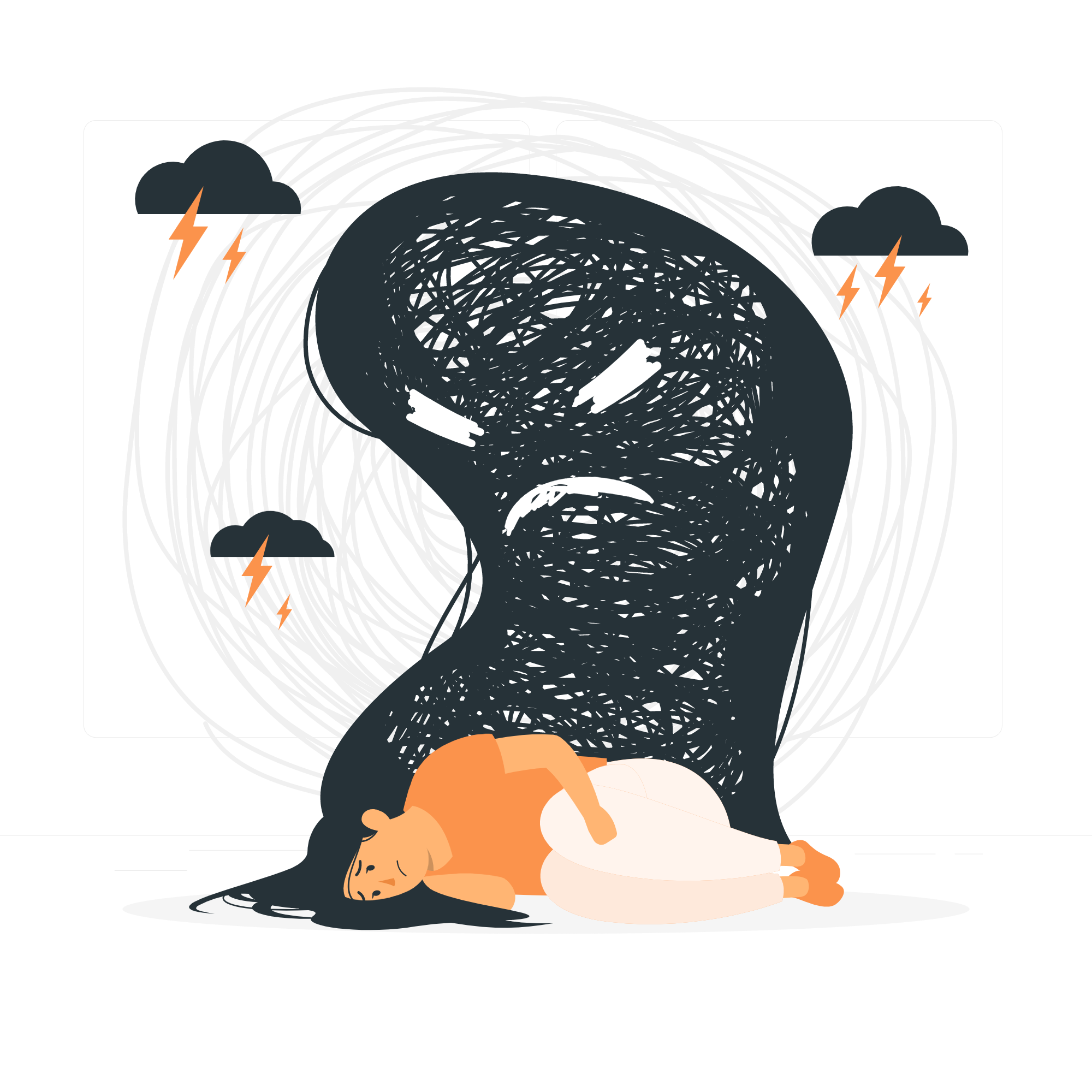
Situational Depression
It is also known as adjustment disorder but can be brought by situation such as the death of loved one, major illness or life-threatening event or going through divorce and many more. This depression can interfere with the person daily function.
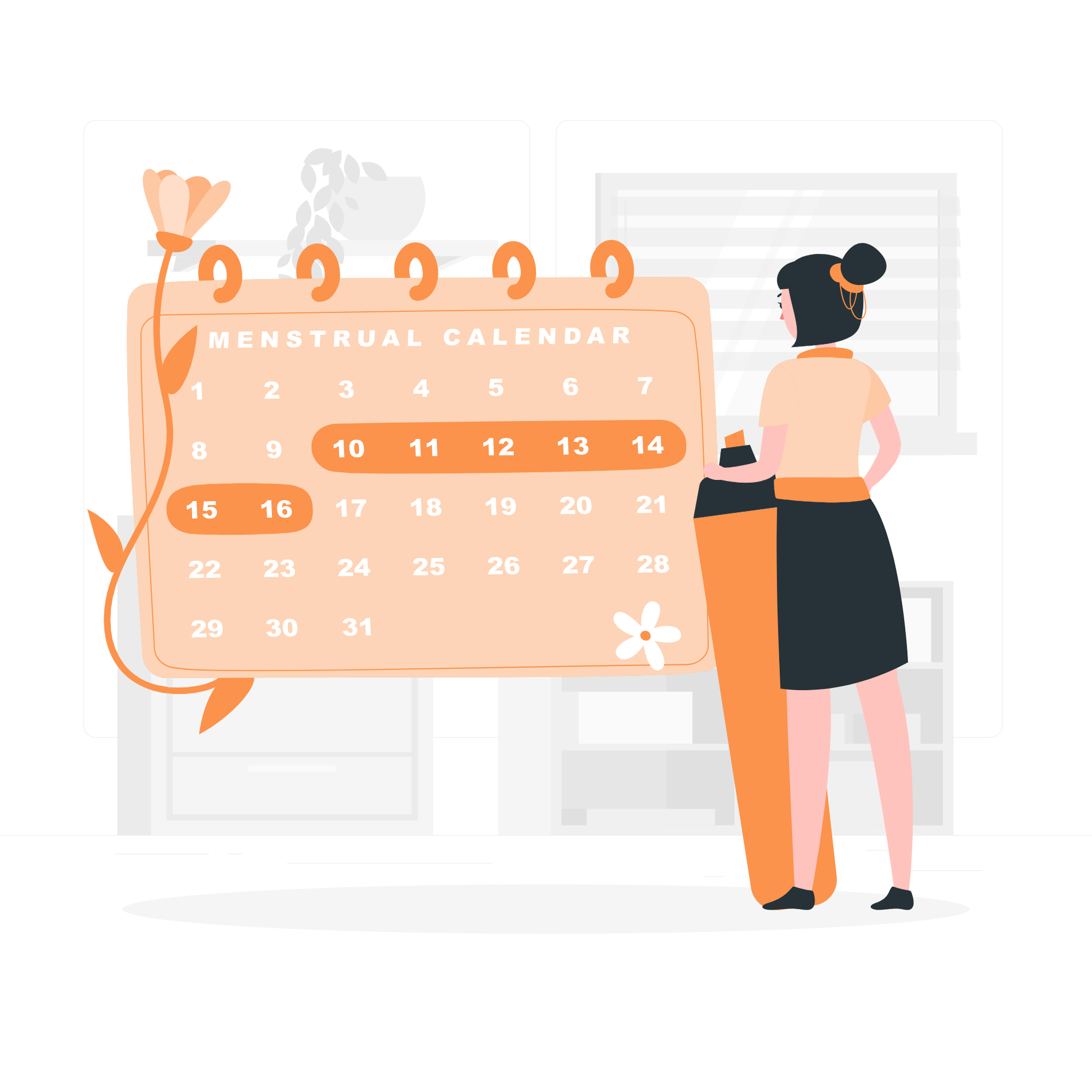
Premenstrual Dysphoric Disorder
This depression is also known as PMDD and it is a severe depression form of premenstrual syndrome (PMS) and has symptoms mostly psychological. A person with PMDD might experience a level of depression that can lead them to less daily functions.
Seasonal Depression
It is also known as seasonal affective disorder and it is a depression that are most related to season and most of the people who has this depression tends to happen during winter season. This depression can lead to suicidal thoughts and as the season change, symptoms also improve.
Manic Depression
This depression will consist of periods of hypomania where the person can feel incredibly happy and alternating with depression. Manic depression can be called as bipolar disorder. The person might experience episodes of hypomania that may last for several days and it can include episodes of hallucination and delusion.